
Araldica Motion system
We built a sound-reactive motion system around heraldry, starting as internal R&D, designed to scale across formats and stay in tune with the music, or even create it.
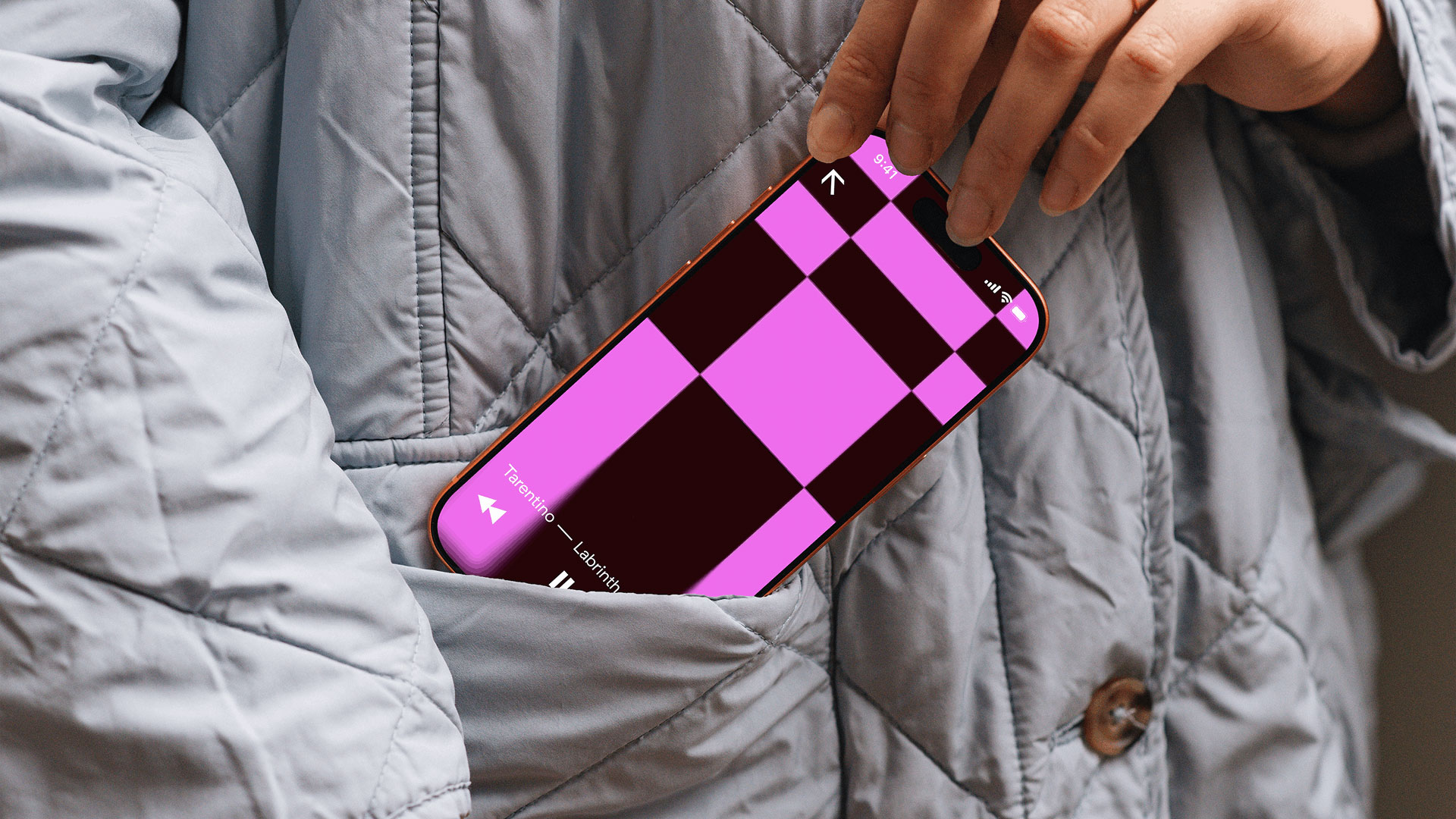
Inside the toolkit, we built two generative tools: one that turns sound into image, and one that turns image into sound.
Check it on — Behance Best of + Mindsparkle Turning heraldry into a sound-reactive motion system + Design Spotlight Motion system for a music platform + Brand In Motion Araldica
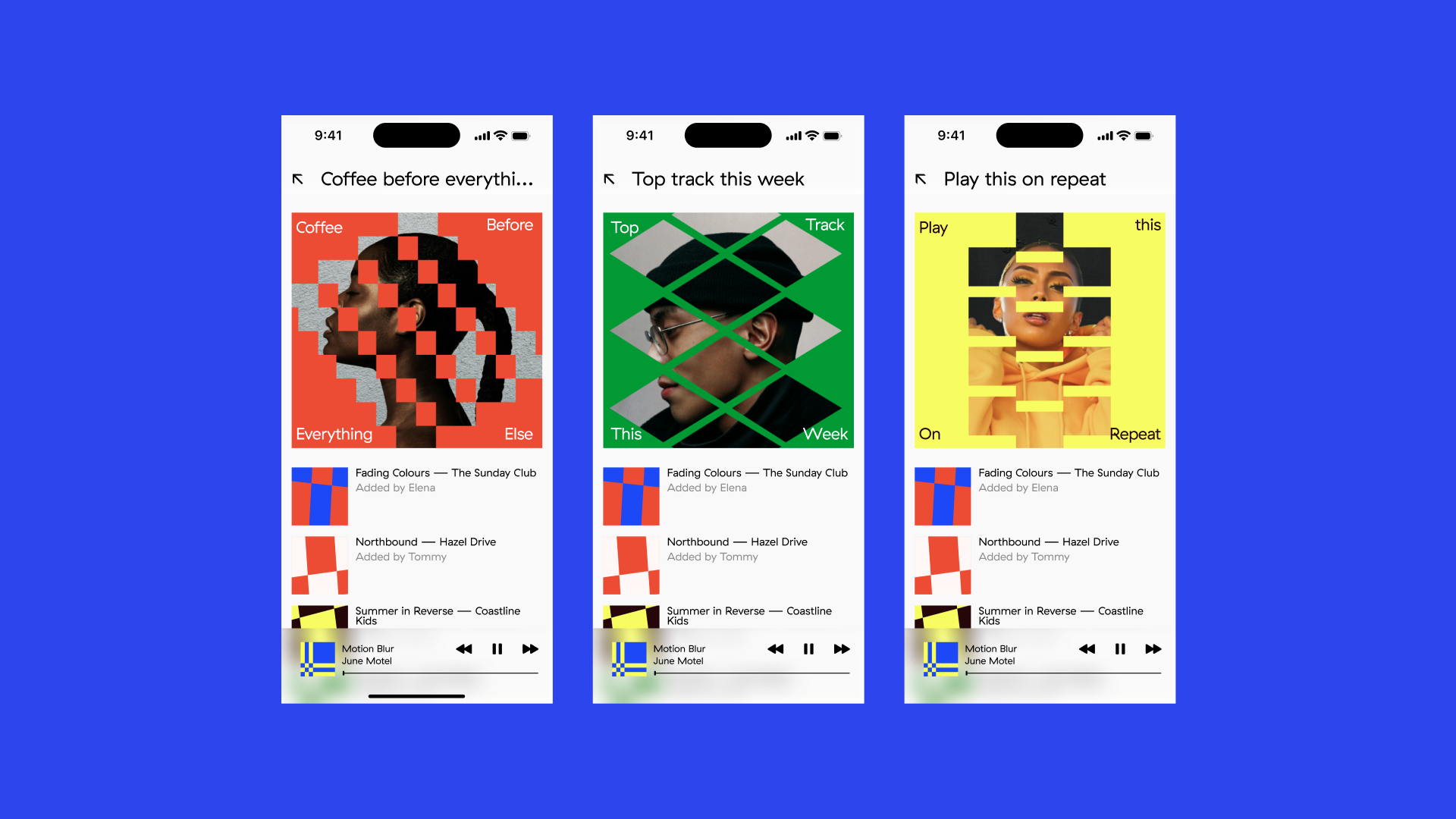
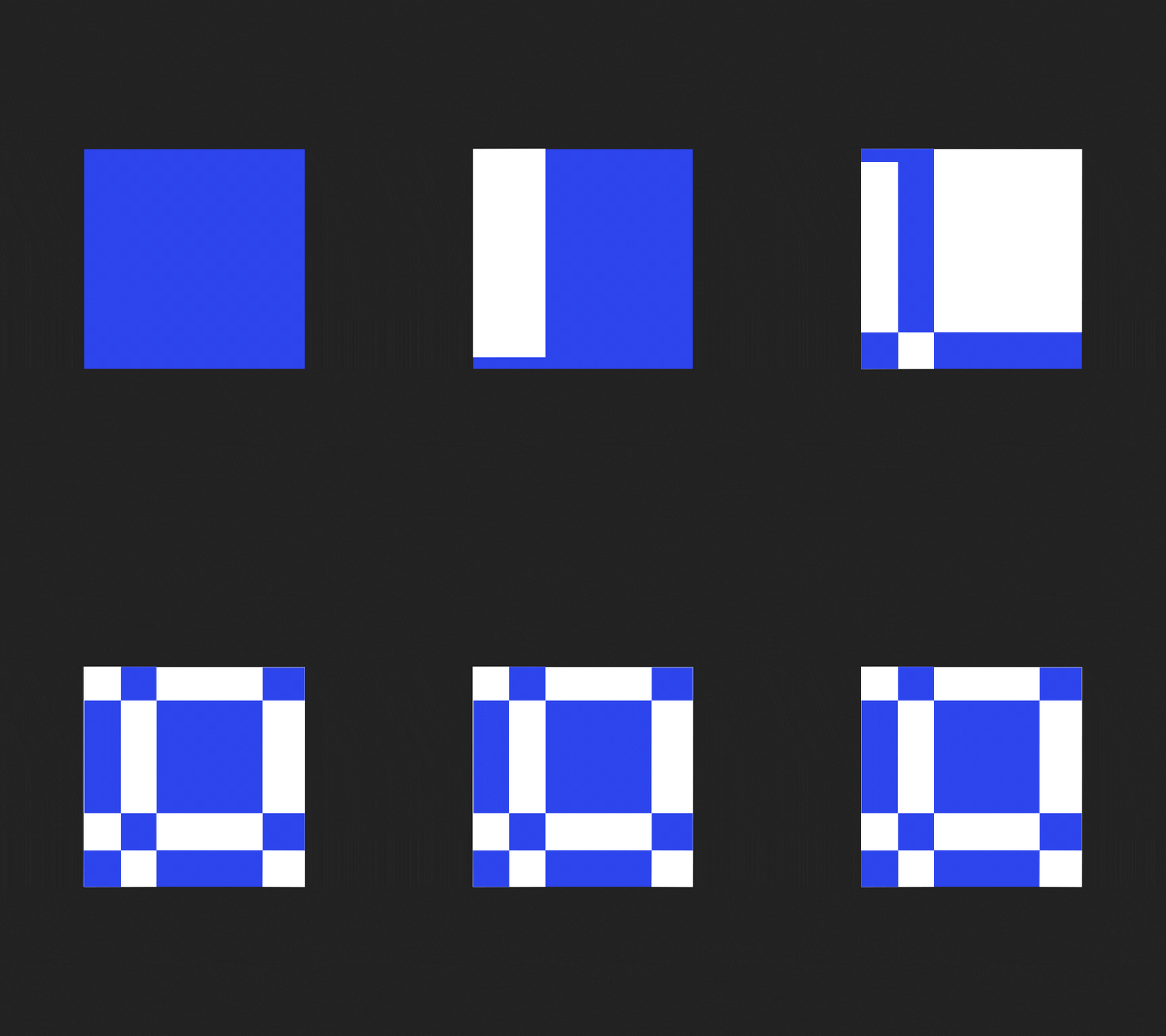
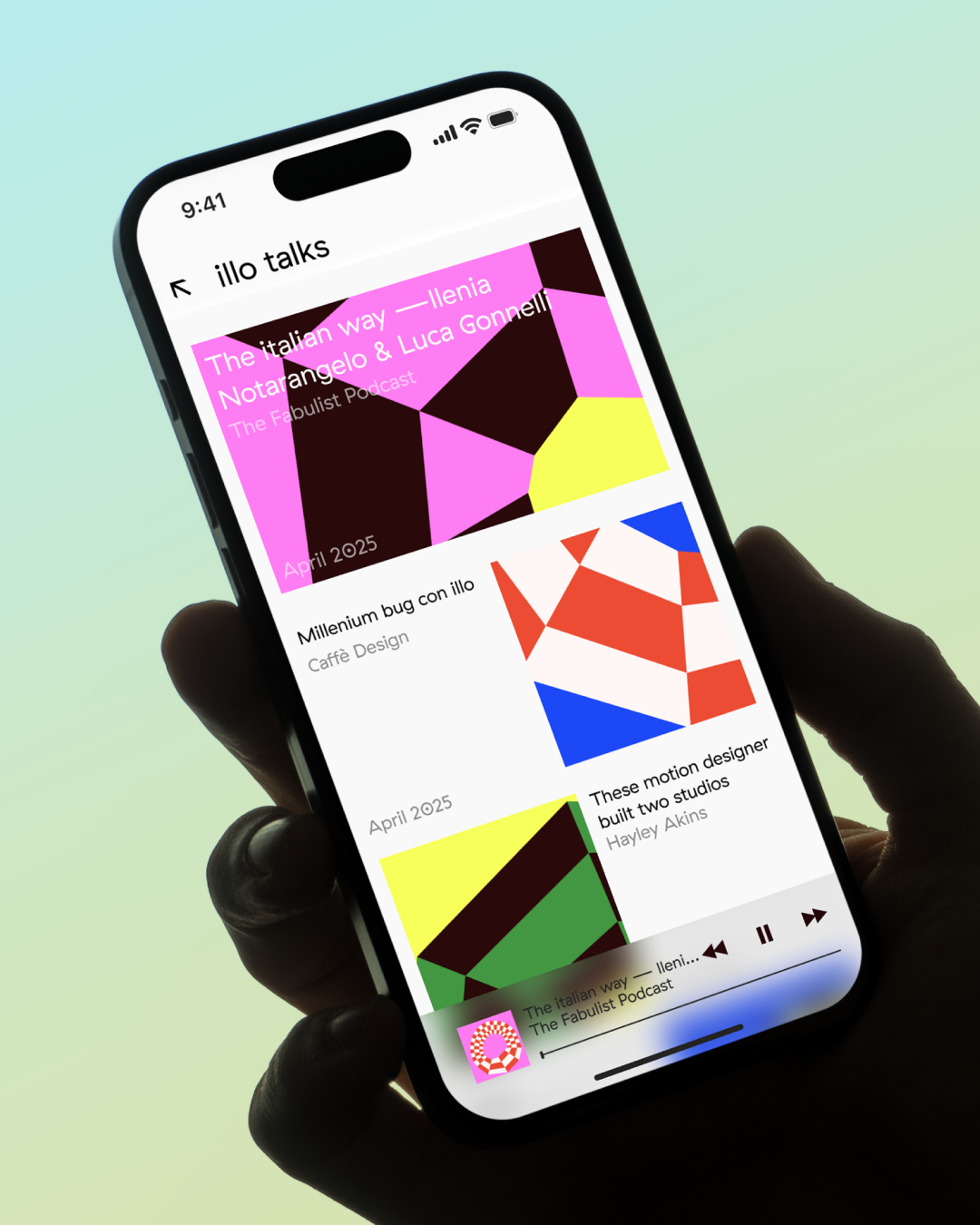
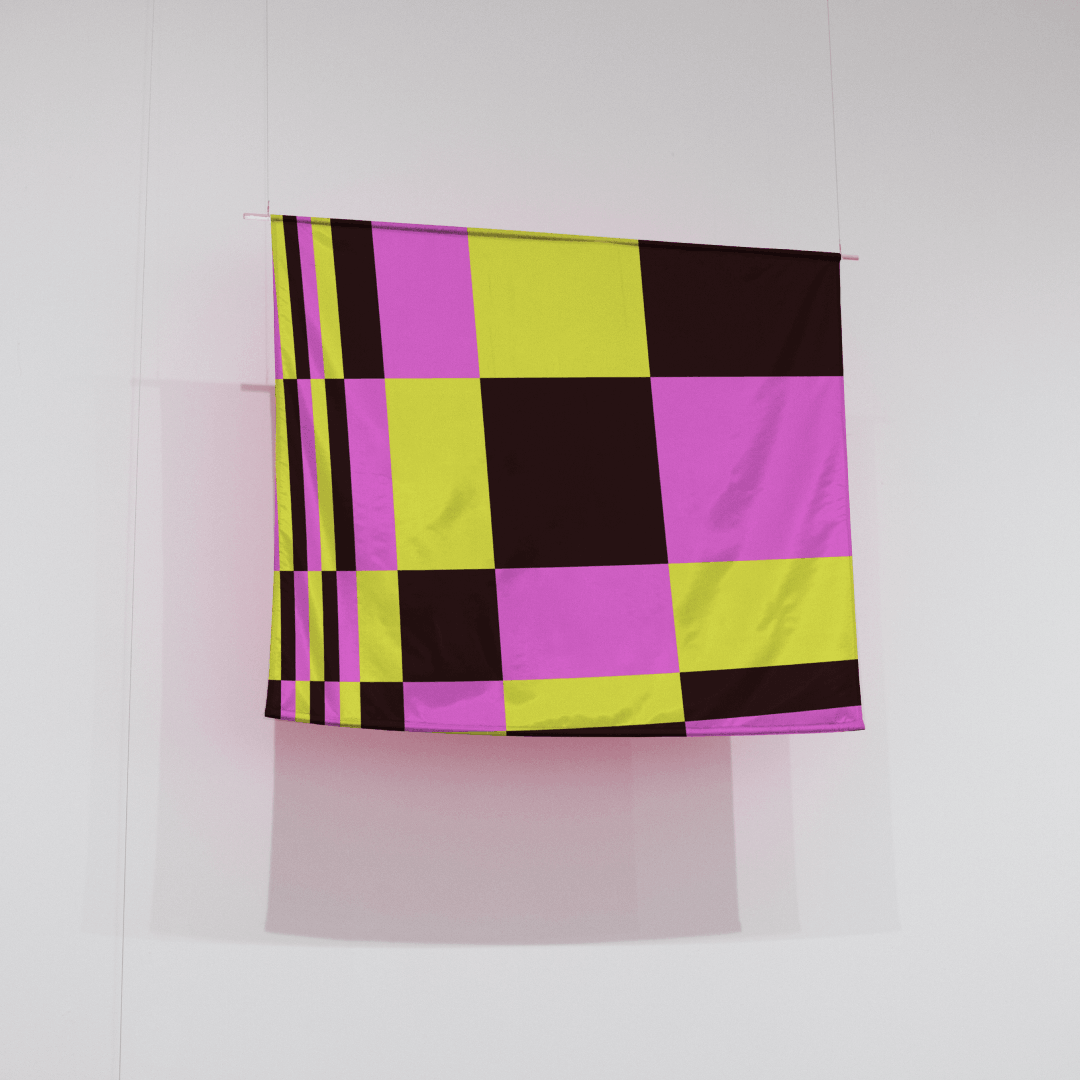
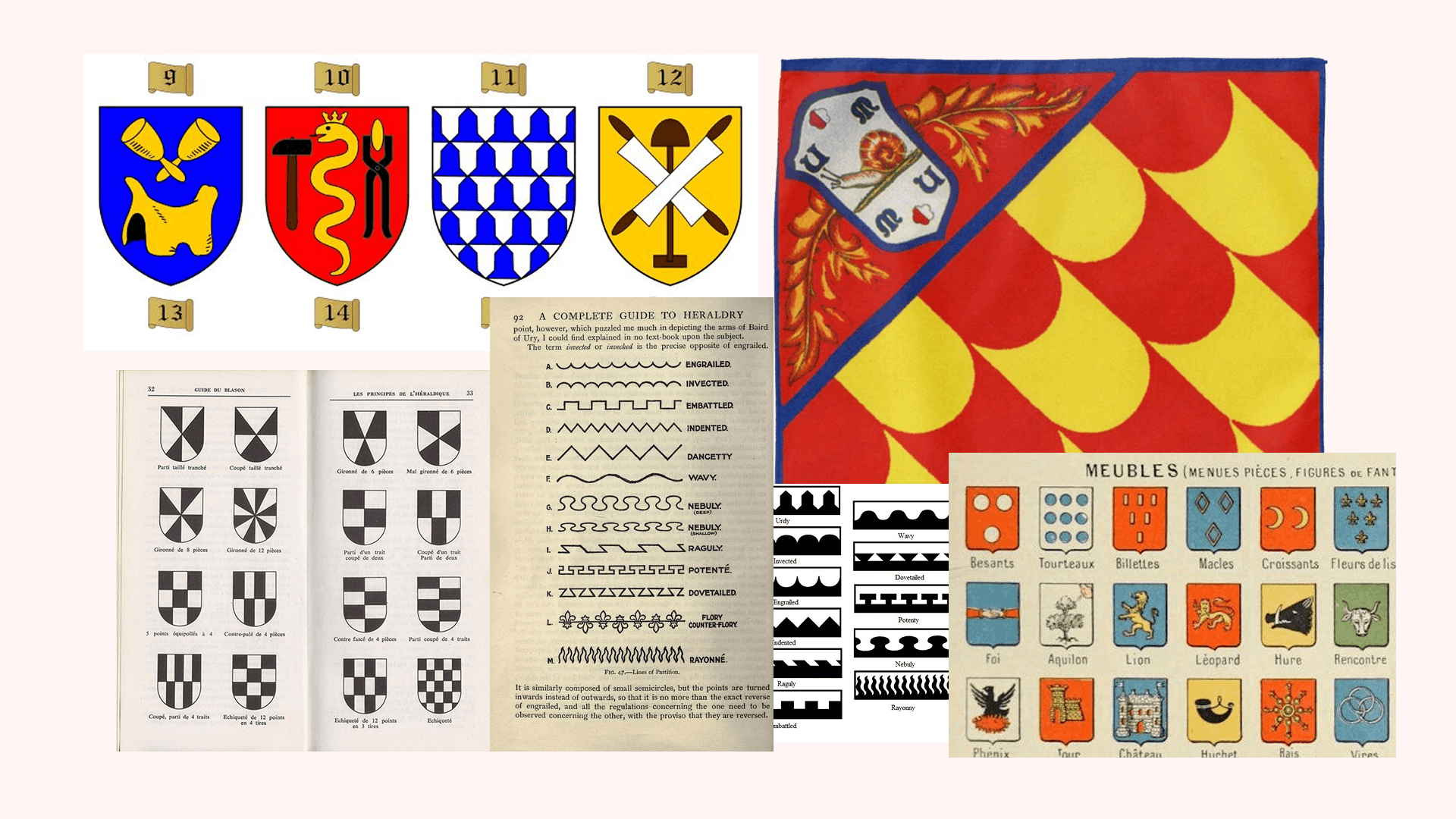
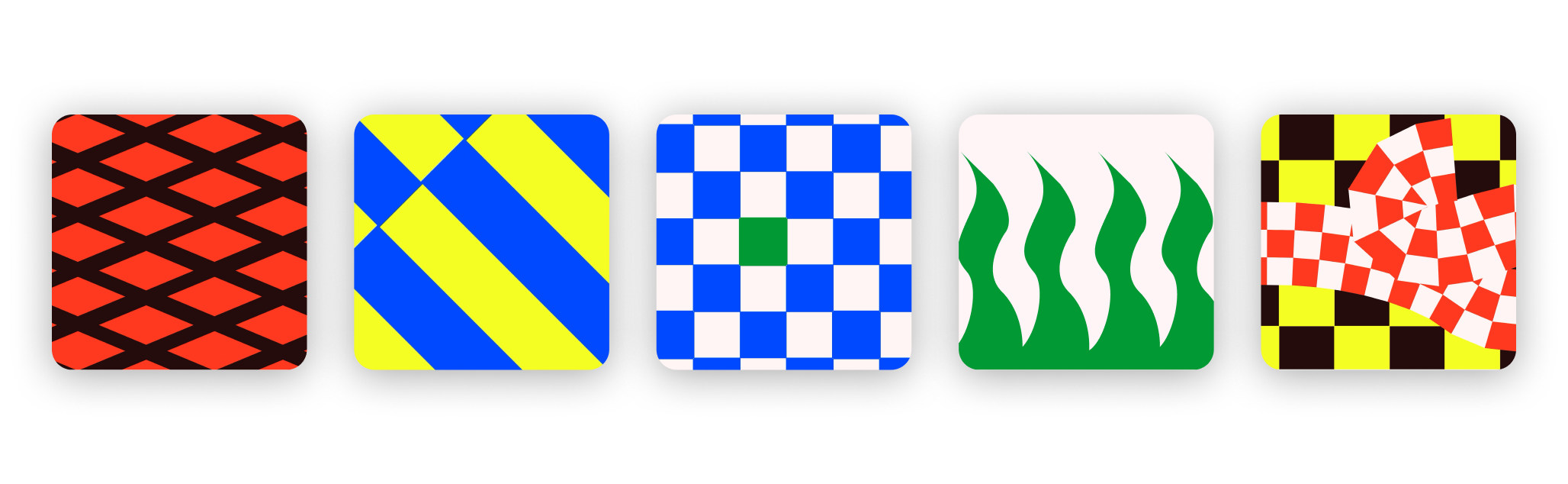
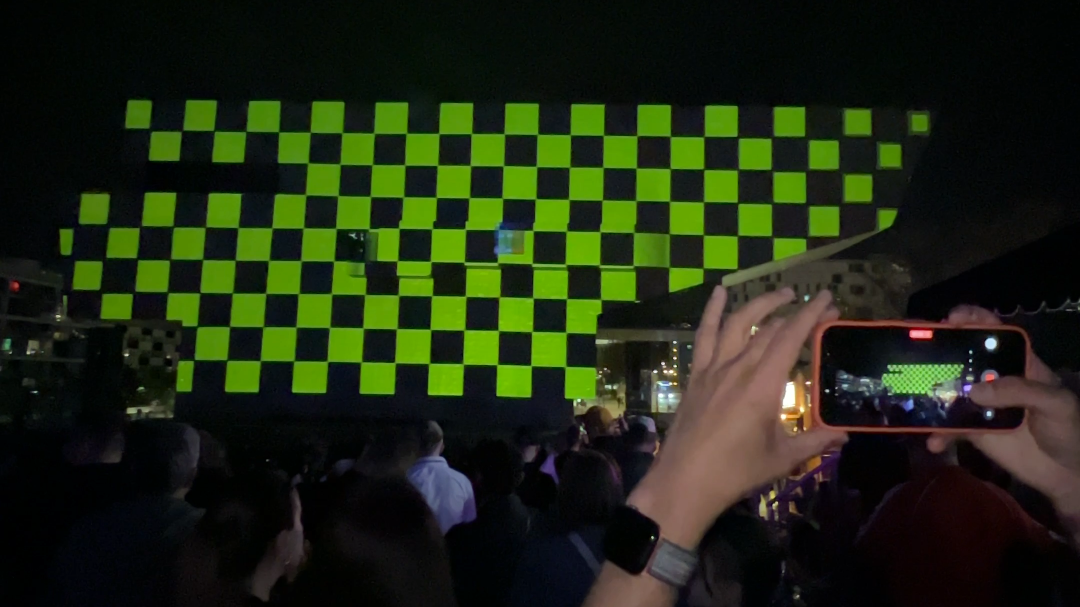
In January 2026, the entire studio traveled back to the Middle Ages, taking “heraldry” as a collective studio brief. We used this ancient visual language as a playground to test new tools, balancing cutting-edge digital tech with analog techniques. It became the perfect creative framework to explore fresh workflows, mixing centuries-old symbols with tomorrow's design and motion systems. For part of the team, it was the perfect opportunity to experiment with Cavalry, creating a video that was later screened at OFFF Barcelona on its massive projection mapping screen.
From sound to visual
Experimenting with vibe coding, we developed a tool that takes any track and turns it into a video synced to its rhythm. Perfectly synced with our visual system too.
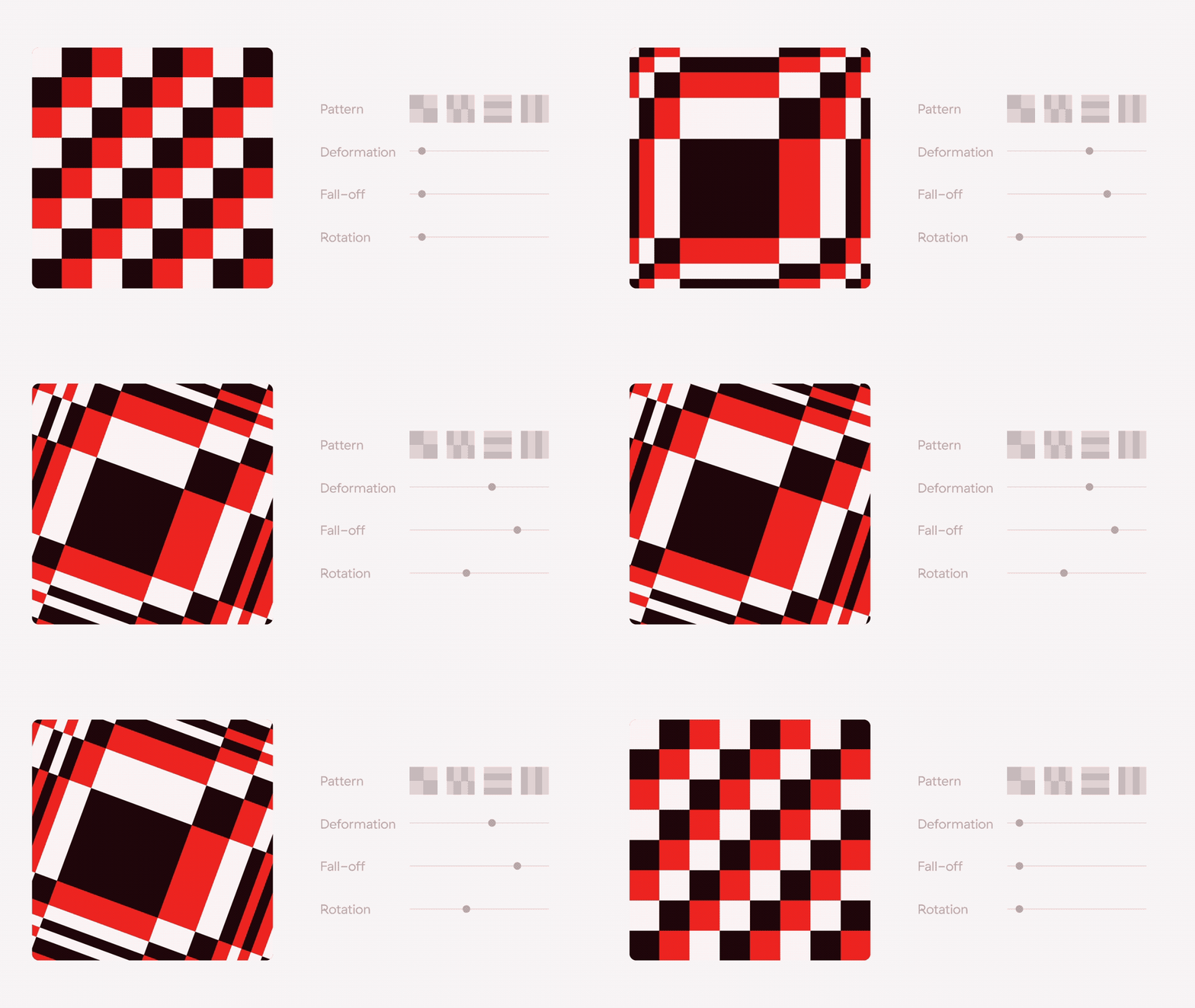
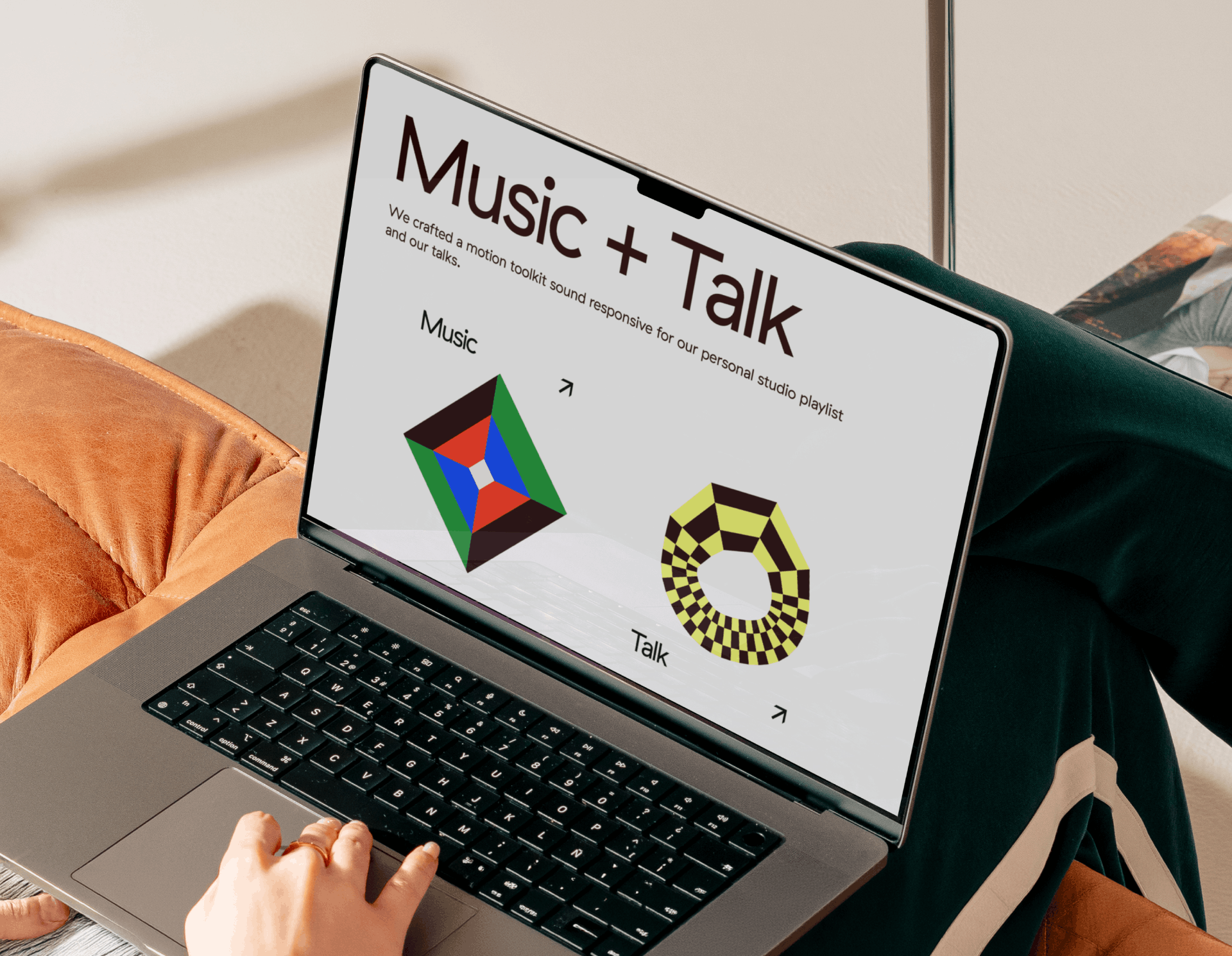
The first tool, built through vibe coding, takes a track and generates its visual translation automatically: rhythm, genre, and track length feed into the system, adjusting the width, height, and rotation of the lines that build the animation, so different music produces a different visual live, without manual keyframing. Inside the same tool, a second mode is built for podcasts: instead of the sharp, linear forms of the music mode, it takes a more enclosed, circular shape, a coiling line drawn from a motif already present in the original Araldica video, and its colour shifts each time a different speaker takes over, so the visual itself signals who's talking without needing to watch them.
Interested in a demo? Drop an email at [email protected]!
From visual to sound
We experimented with TouchDesigner, exploring which pieces of music could be translated generated from our video.
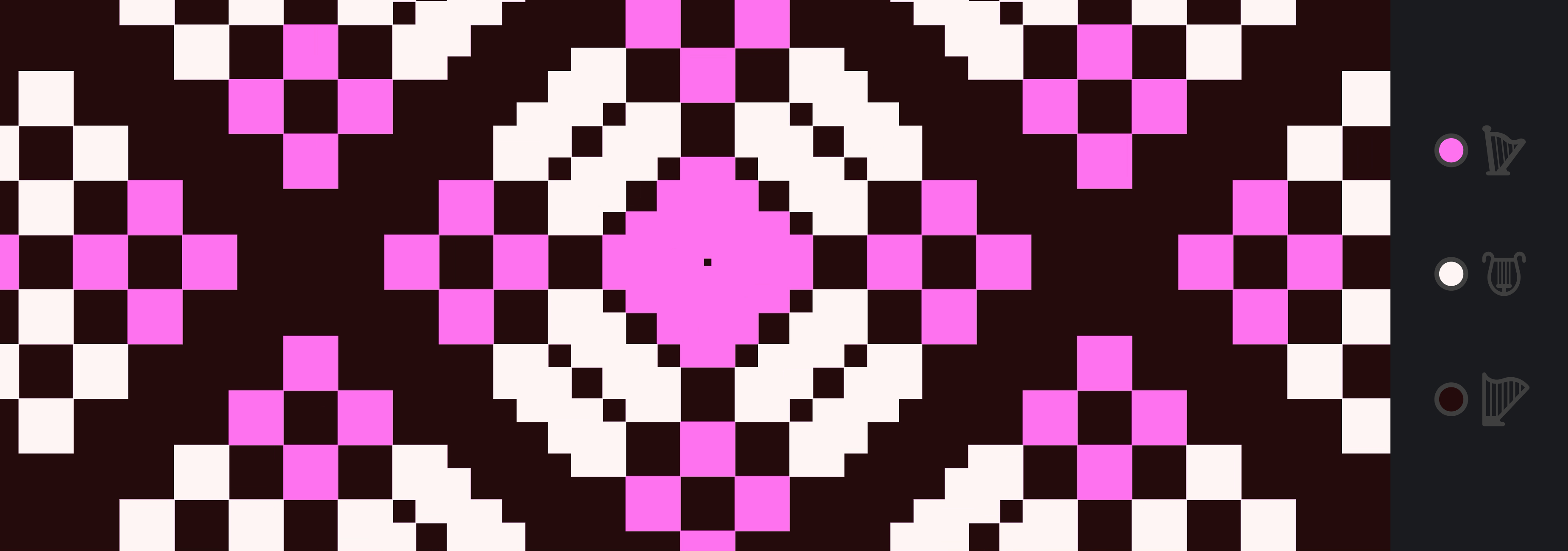
Working in TouchDesigner, we split the footage into four vertical columns, each one locked to its own octave. A scanner runs through each column from bottom to top, reading the colours it crosses as it goes. Every colour in the palette (pink, white, blue, and so on) is mapped to a note, sent live to Ableton where it plays through a chosen instrument. Four columns scanning at once means four octaves running in parallel, all driven by what's actually on screen. Nothing is composed beforehand: the melody is completely generated from the visual.
Listen to the different musics we created — they are not perfect but we love them anyway:
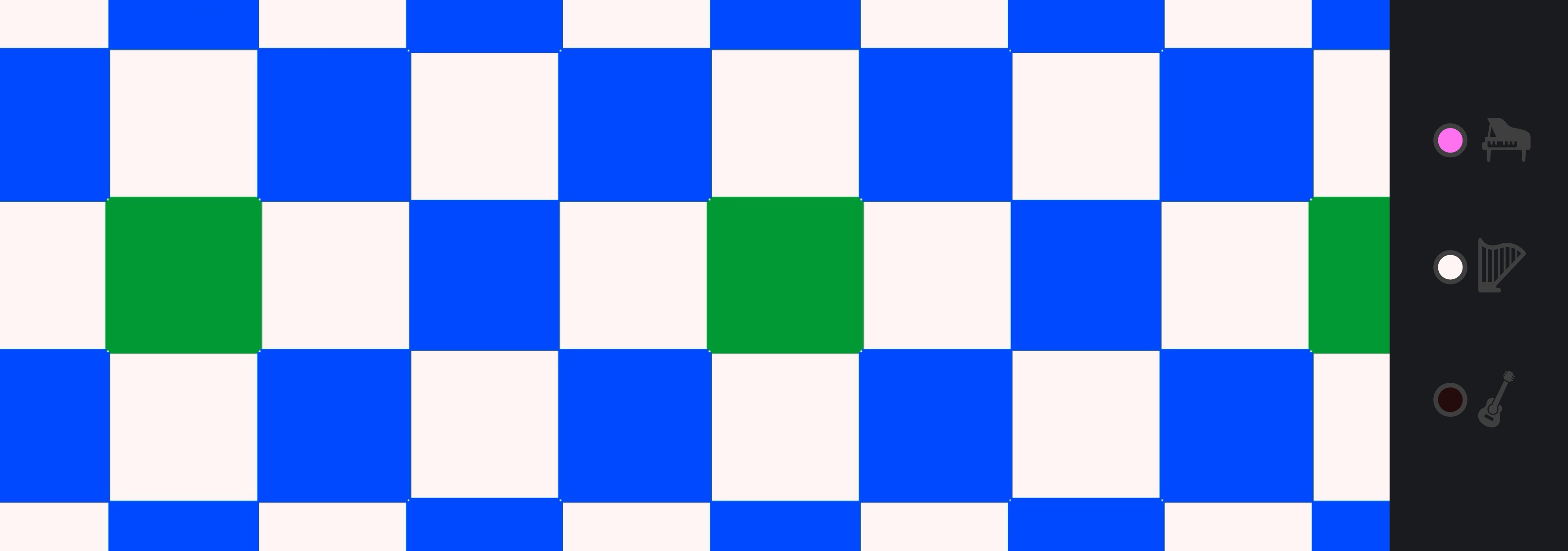
Generative music: Zen Mode
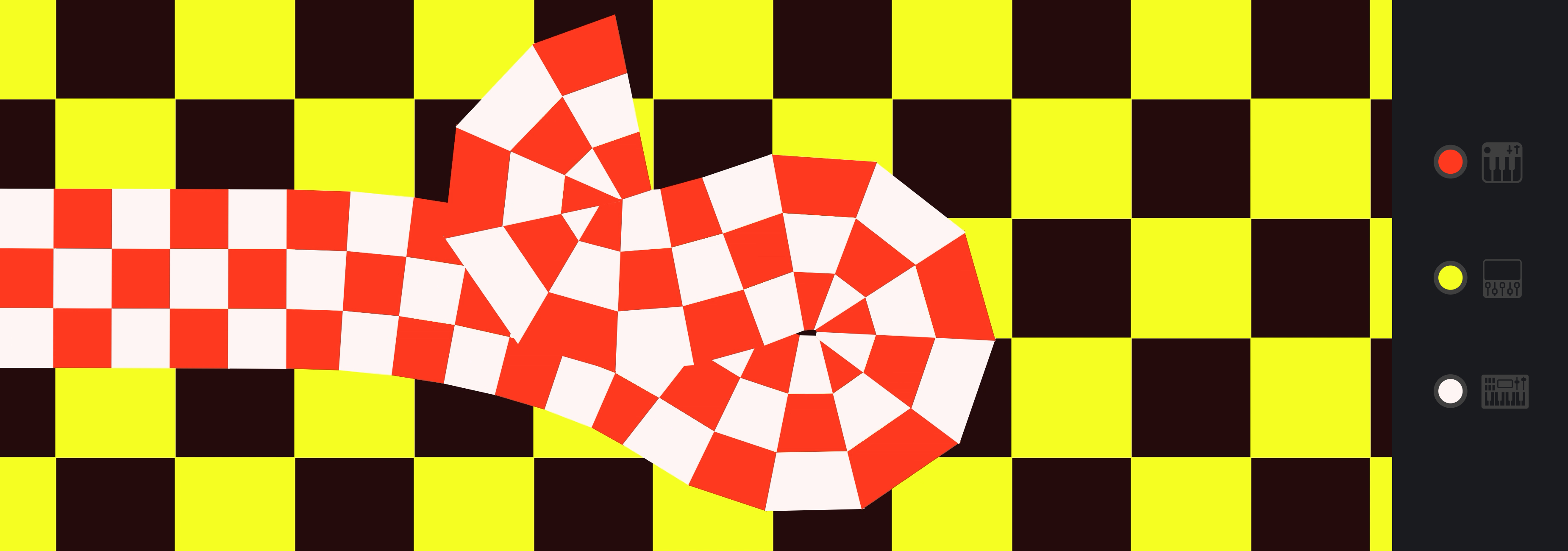
Generative music: Techno Mode
Generative music: Heraldic Mode
Credits — Creative Direction Ilenia Notarangelo & Cristina Pasquale + Project Direction Giovanna Crise + Motion Miguel D'Errico, Tommaso Azzarello, Giovanna Crise & Luca Gonnelli + Design Ilenia Notarangelo, Giovanna Crise & Elena Maggiolo + Tool Development Tommaso Azzarello + Portfolio Case Study Storyboard Giovanna Crise + Portfolio Giovanna Crise & Elena Maggiolo + Image credits — Fig. top left, Heraldic shields Link + Fig. top right, Heraldic coat of arms Link + Fig. bottom left, Guide du blason Link + Fig. centre, A Complete Guide to Heraldry Link + Fig. centre right, Heraldic partition lines Link + Fig. bottom right, Heraldic “Meubles” Link